



Your heart works continuously to keep blood flowing throughout your body. Yet heart health can sometimes be overlooked until symptoms appear. The good news is that many factors affecting cardiovascular health are within our control.
So, how can you keep your heart healthy?
A heart-healthy lifestyle includes regular physical activity, nutritious eating, maintaining a healthy weight, avoiding tobacco, getting adequate sleep, managing stress and keeping important health factors such as blood pressure, cholesterol and blood glucose under control. Regular medical evaluation can also help identify cardiovascular risk factors before they become more serious.
Heart health is not about making one major change overnight. It is about building sustainable habits that support your cardiovascular system over time.
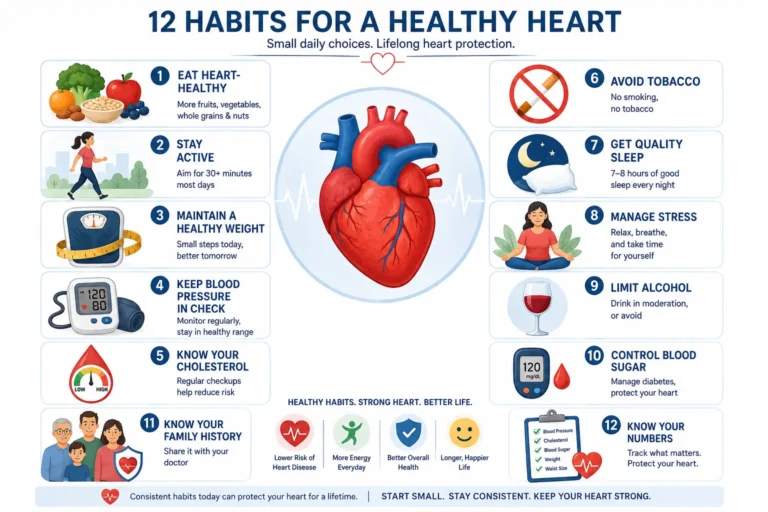
The heart pumps blood throughout the body, supplying organs and tissues with oxygen and nutrients. Over time, factors such as high blood pressure, unhealthy cholesterol levels, diabetes, smoking, physical inactivity and excess body weight can increase cardiovascular risk.
Some cardiovascular risk factors may not cause noticeable symptoms. For example, a person can have high blood pressure or high cholesterol without feeling unwell. That is why prevention and regular monitoring are important, even when you feel healthy.
There is no single food, exercise or supplement that guarantees a healthy heart. Instead, cardiovascular health is influenced by a combination of daily habits and medical risk factors.
What you eat regularly can influence your blood pressure, cholesterol, body weight and metabolic health. A heart-friendly eating pattern generally includes plenty of:
Try to limit highly processed foods and foods high in sodium, saturated fat and added sugars.
Instead of focusing on one “superfood,” think about the overall quality of your diet.
For example, replacing highly processed snacks with fruit, vegetables, nuts or other minimally processed options can be a practical step toward a healthier eating pattern.
How much exercise is good for heart health?
Regular physical activity can help support cardiovascular fitness, healthy body weight, blood pressure and metabolic health. Adults should aim for regular aerobic activity and muscle-strengthening activity as appropriate for their health and fitness level. If you have been inactive for a long time or have a known heart condition, speak with a healthcare professional about the most appropriate way to begin exercising.
Simple activities can make a difference. These may include:
You can also reduce prolonged sitting by taking short movement breaks during the day.
Excess body weight can increase the risk of several conditions that affect cardiovascular health, including high blood pressure, abnormal cholesterol and type 2 diabetes. If you are overweight, you do not necessarily need to make dramatic changes immediately.
Gradual, sustainable improvements in eating habits, physical activity and overall lifestyle can be more realistic than short-term restrictive diets. Your healthcare professional can help determine an appropriate weight-management approach based on your individual health.
High blood pressure is one of the most important modifiable cardiovascular risk factors.
The challenge is that high blood pressure often does not cause obvious symptoms. Regular blood pressure monitoring can help identify elevated readings. If you repeatedly have high BP, do not assume that it is only because of stress, lack of sleep or a busy lifestyle. Persistent hypertension deserves appropriate medical evaluation.
For young adults, this is particularly important because hypertension at a younger age can expose the cardiovascular system to elevated pressure for many years.
Cholesterol is a substance the body needs, but having unhealthy levels of certain types of cholesterol can increase cardiovascular risk.
LDL cholesterol is often referred to as “bad” cholesterol because higher levels can contribute to plaque buildup in arteries. HDL cholesterol is often called “good” cholesterol because of its role in transporting cholesterol. Your overall cardiovascular risk depends on more than one cholesterol number.
Factors such as age, blood pressure, diabetes, smoking, family history and other health conditions may also influence your risk. If you have been advised to have your cholesterol checked, follow your healthcare professional’s recommendations.
Know about cholesterol myths vs Fact
If you smoke, quitting is one of the most important steps you can take for your cardiovascular health. Smoking damages blood vessels and increases the risk of cardiovascular disease. Tobacco exposure can also contribute to plaque buildup and other changes affecting the cardiovascular system.
Avoiding tobacco is important even if you are young and currently feel healthy.If you use tobacco and want to quit, speak with a healthcare professional about evidence-based support.
Does sleep affect heart health?
Yes. Sleep is an important part of overall cardiovascular health.Regularly getting insufficient or poor-quality sleep may be associated with increased cardiovascular risk.
Try to maintain a consistent sleep schedule and create an environment that supports good-quality sleep.Also pay attention to symptoms that may suggest sleep apnea, such as:
Sleep apnea can be associated with high blood pressure and other cardiovascular concerns.If you experience these symptoms, discuss them with a healthcare professional.
Can stress affect your heart?
Stress can cause temporary increases in heart rate and blood pressure. Chronic stress can also influence behaviours that affect cardiovascular health, such as poor sleep, unhealthy eating, physical inactivity, smoking or excessive alcohol consumption.
Managing stress does not mean eliminating every stressful situation from your life.
Instead, focus on healthy ways of coping, such as:
If stress is persistent or significantly affecting your daily life, consider discussing it with an appropriate healthcare professional.
Excessive alcohol consumption can contribute to several cardiovascular risk factors, including high blood pressure. If you drink alcohol, discuss appropriate limits with your healthcare professional based on your individual health.
Avoiding alcohol may be particularly important for some people with specific health conditions or medications.
Diabetes and high blood glucose can increase cardiovascular risk. If you have diabetes or prediabetes, following your healthcare professional’s recommendations for blood glucose management, nutrition, physical activity and medication can help protect your long-term health.
Even if you do not have diabetes, maintaining a healthy weight, eating a balanced diet and staying physically active can support healthy metabolic function.
Does family history affect heart health?
Yes. Family history can provide useful information about your cardiovascular risk. Tell your healthcare professional if close family members have experienced conditions such as:
Family history does not mean that you will definitely develop heart disease. However, it can help your healthcare professional determine which risk factors may deserve closer attention.
One of the simplest ways to take care of your heart is to know the health factors that can affect cardiovascular risk. Depending on your age and individual risk, these may include:
Your doctor can advise you about which measurements and tests are appropriate for you and how frequently they should be checked.
Feeling well does not necessarily mean that every cardiovascular risk factor is normal. High blood pressure and high cholesterol, for example, can exist without obvious symptoms.
A healthy heart is supported by a combination of factors, including:
Your individual cardiovascular risk depends on several factors, so a healthcare professional can provide more meaningful guidance than a single test or symptom.
Your 20s are an excellent time to establish habits that can support cardiovascular health for decades.
Focus on:
If you have a strong family history of cardiovascular disease or develop health concerns at a young age, discuss them with your healthcare professional.
In your 30s, work and family responsibilities can make healthy habits harder to maintain. This is a good time to pay attention to:
Do not assume that cardiovascular problems only become relevant after 40.
As you get older, cardiovascular risk can change depending on your health history and other risk factors. Regular medical checkups may become increasingly important, particularly if you have:
Your healthcare professional can recommend appropriate screening and risk assessment based on your individual circumstances.
https://srmkpcardiac.com/heart-health-after-40-prevention-checkup-mumbai/
There is no single food that can guarantee heart health. Instead, focus on an overall eating pattern that includes:
Eat more often:
Limit:
Portion sizes and your individual nutritional needs also matter.
If you have diabetes, kidney disease, heart disease or another medical condition, your dietary requirements may differ. A healthcare professional or qualified dietitian can provide personalised advice.
Several lifestyle habits can increase cardiovascular risk over time.
These include:
Changing even one unhealthy habit can be a useful first step.
Some cardiovascular conditions can develop without noticeable symptoms, but certain symptoms should not be ignored.
Early warning signs of heart disease include:
If symptoms are sudden, severe or concerning, particularly chest discomfort, severe breathlessness, fainting or symptoms suggestive of a heart attack, seek urgent medical attention rather than waiting for a routine appointment.
You may benefit from cardiovascular evaluation if you have persistent risk factors, concerning symptoms, a significant family history or a known cardiovascular condition.
You should also discuss your cardiovascular health with a healthcare professional if you have:
A cardiologist can assess your symptoms and risk factors and determine whether further evaluation is appropriate.
For patients seeking specialised cardiac care in Mumbai, Smt S R Mehta & Sir K P Cardiac Institute provides cardiac evaluation and treatment services.
Keeping your heart healthy is a long-term process, not a one-time decision.
Eating a balanced diet, staying physically active, maintaining a healthy weight, avoiding tobacco, getting adequate sleep, managing stress and monitoring important health factors such as blood pressure, cholesterol and blood glucose can all contribute to better cardiovascular health.
You do not need to wait until you have symptoms to start taking care of your heart.
Whether you are in your 20s, 30s, 40s or beyond, building healthy habits and understanding your individual cardiovascular risk can help support long-term heart health.
If you have cardiovascular symptoms, risk factors or concerns about your heart, speak with a qualified healthcare professional.
Smt S R Mehta & Sir K P Cardiac Institute is committed to providing specialised cardiac evaluation and care for patients in Mumbai.
This article is intended for general educational purposes and does not replace an examination, diagnosis or personalised medical advice from a qualified healthcare professional. Individual cardiovascular risk varies, and medical decisions should be made in consultation with an appropriately qualified healthcare professional.
Written by: Smt S R Mehta & Sir K P Cardiac Institute
Medically Reviewed by:Smt S R Mehta & Sir K P Cardiac Institute
S.R. Mehta & Sir K.P. Cardiac Institute, Mumbai’s premier facility noted for excellence in heart health services, provides the greatest cardiac hospital experience.
WhatsApp us