

laparoscopy
Laparoscopy Treatment at Smt. S.R. Mehta & Sir K.P. Cardiac Institute
At our Hospital, SMT. S. R. MEHTA AND SIR K. P. CARDIAC INSTITUTE, SION, MUMBAI, we prioritize transparent communication and personalized care plans. Our Hospital is the best hospital for General and Gynaecology Laparoscopic Surgery in Mumbai because of our trusted expertise, advanced infrastructure and consistent focus on quality, safety and economy. We encourage prospective patients seeking a General Laparoscopic Surgery in India to contact us directly for detailed information about the procedure cost and assistance with financial planning.
With SMT. S. R. MEHTA AND SIR K. P. CARDIAC INSTITUTE, SION, MUMBAI, you get access to:
Trusted medical expertise
Comprehensive aftercare services
Excellent value and quality care
This makes our Hospital a preferred choice for Laparoscopic Surgery in Mumbai.
What is a laparoscopy?
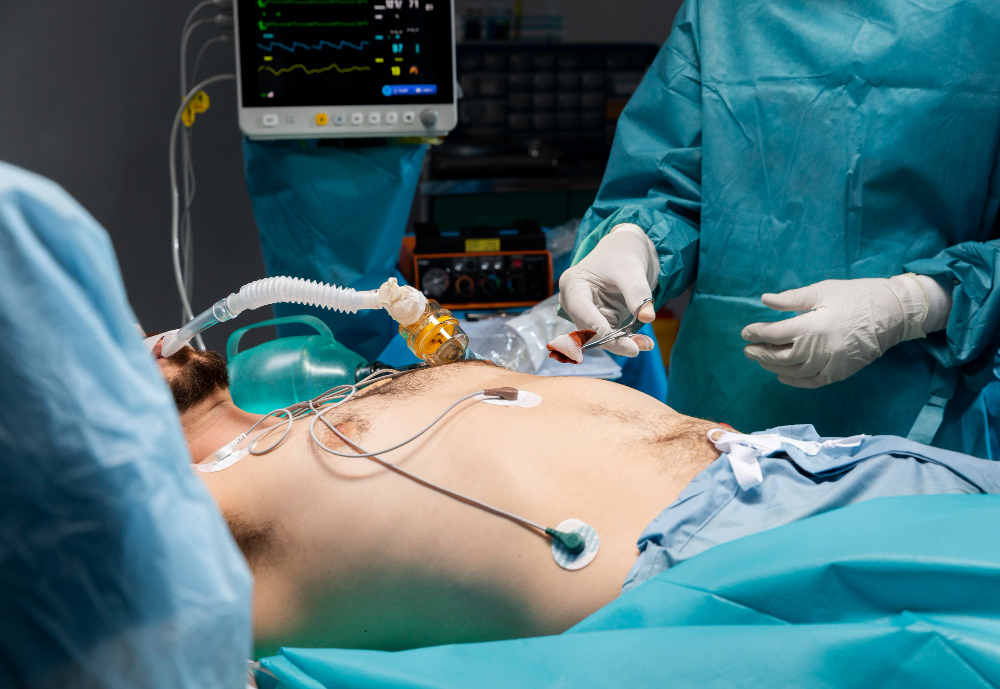
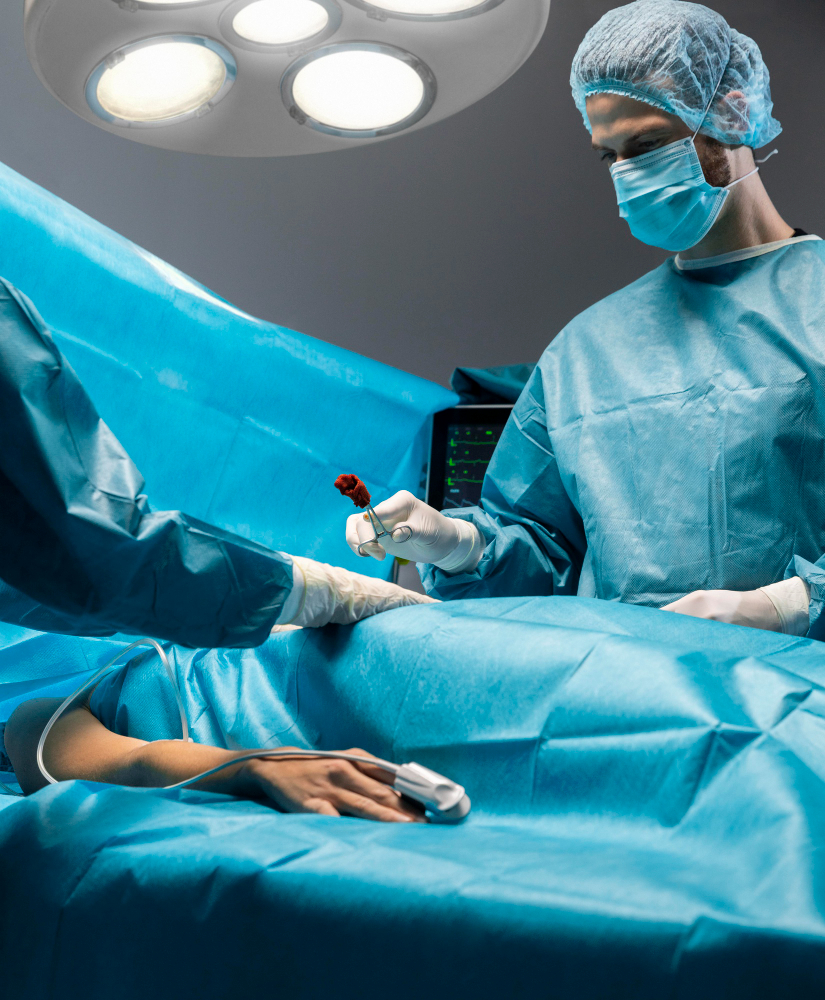
A laparoscopy is a minimally invasive procedure your surgeon does to look for problems in your stomach or pelvic area. They use a tool called a laparoscope, which is a thin, telescopic rod with a video camera on the end. Your surgeon puts the laparoscope through a small cut (incision) in your belly (abdomen) measuring half an inch or less. Surgeons may make up to three more cuts to insert other surgical instruments so they can see all the organs in your belly and find any problems.
The laparoscope camera projects an image of the inside of your belly or pelvis onto a monitor in real time. Using these images the surgical procedure is done by the operating Surgeon.
Your healthcare provider might recommend a laparoscopy if other diagnostic tests can’t identify the cause of your condition or to collect tissue / sample.
What is laparoscopy done for?
Traditional surgeries best suited for laparoscopic surgeries include:
- Cyst, fibroid, stone and polyp removals.
- Small tumor removals.
Biopsies. - Endometriosis surgery.
- Urethral and vaginal reconstruction surgery.
- Orchiopexy (testicle correction surgery).
- Rectopexy (rectal prolapse repair).
- Hernia repair surgery.
- Cholecystectomy (gallbladder removal) for gallstones.
- Appendectomy (appendix removal).
What are the advantages of laparoscopic surgery?ces
The advantages of having laparoscopic surgery include:
- Less trauma to the insides of your belly.
- Less blood loss and a lower risk of haemorrhage.
- Smaller scars.
- Less risk of infection.
- A shorter hospital stay, which means you’ll be able to recover more comfortably at home.
- Less time in the hospital is also less expensive.
- Faster recovery time and return to your usual activities.
- Less pain during healing, so you won’t need as much pain medication.
Our Specialities

Cardiology
Expertise and modern technology to provide exceptional heart care

Orthopaedic
Optimal & improved outcomes for individuals with bone and joint conditions
Our Specialities

Cardiology
Combining expert knowledge and advanced technology to deliver comprehensive heart care.

Cardiothoracic Surgery
Advanced care for complex heart and lung conditions in state-of-the-art facility for best surgical solutions with a focus on patient safety, precision, & post-operative recovery

Orthopaedic
Ensuring optimal and cost-effective results with improved recovery for any given bone and joint conditions.

Gastroenterology
We have expertise in diagnosing and treating complex disorders of the gastrointestinal system, offer diagnostic and therapeutic procedures.

Our Services
World-class care, made affordable.
ECG
We bring the right people together to challenge established thinking

Stress Test
We bring the right people together to challenge established thinking

2D Echo
We bring the right people together to challenge established thinking

Sonography
We bring the right people together to challenge established thinking

Blood Bank
We bring the right people together to challenge established thinking

Color Doppler
We bring the right people together to challenge established thinking
Imaging Services
We bring the right people together to challenge established thinking
Pathology
We bring the right people together to challenge established thinking
Blood Bank
We bring the right people together to challenge established thinking

FAQ's
Laparoscopy is a minimally invasive procedure, but that doesn’t always mean it’s a minor surgery. Many abdominal procedures can be done as laparoscopic surgeries, but they’re still major surgeries. Your surgeon is the best person to tell you if your procedure is a major surgery, how to prepare for it and what to expect during recovery.
Healthcare providers use laparoscopies for many common surgeries. More complicated conditions may require traditional “open” surgery through a larger incision. But healthcare providers prefer laparoscopic surgery for a growing list of everyday operations because it costs less and improves surgical outcomes.
Follow these guidelines before the procedure or surgery:
- Pre-Operative Consultation: Schedule a thorough consultation with your surgeon. Discuss your medical history, current medications, and any allergies. This is also the time to ask questions about the procedure and express any concerns.
- Medical Tests: Your surgeon may order several tests before the surgery, including blood tests, imaging studies (like an ultrasound or CT scan), and possibly an electrocardiogram (EKG) to assess your heart health. These tests help identify any potential risks.
- Medications: You may be instructed to stop taking certain medications, especially blood thinners, several days before the surgery. Follow your surgeon’s instructions carefully regarding medication management.
- Dietary Restrictions: Patients are often advised to follow a specific diet leading up to the surgery. This may include avoiding solid foods for a certain period and only consuming clear liquids the day before the procedure. Adhering to these guidelines helps reduce the risk of complications during surgery.
- Fasting: Most surgeons will require patients to fast for at least 8 hours before the procedure. This means no food or drink, including water, to ensure an empty stomach during anaesthesia.
- On day of the Surgery
Don’t eat, drink (including water) or smoke after midnight the day before your procedure or surgery.
Wear loose-fitting clothing. You’ll have some abdominal tenderness and cramping.
Wear low-heeled shoes on the day of surgery. You might be drowsy from the anaesthesia and unsteady on your feet.
Don’t wear any jewellery.
Remove any nail polish before the procedure.
Arrange for someone to remain present during the surgery.
Arrange Transportation: Arrange for a family member or friend to provide transportation. - Post-Operative Care: Discuss post-operative care with your surgeon. Understand what to expect in terms of recovery, pain management, and follow-up appointments. Having a plan in place can ease anxiety and ensure a smoother recovery.
- Prepare Your Home: Before surgery, prepare your home for recovery. This may include setting up a comfortable resting area, stocking up on necessary supplies, and arranging for help with daily activities if needed.
- Avoid Smoking and Alcohol: If you smoke or consume alcohol, it’s advisable to refrain from these substances in the weeks leading up to surgery. Smoking can impair healing, while alcohol can interact with anaesthesia and medications.
- Mental Preparation: Take time to mentally prepare for the surgery. Engage in relaxation techniques, such as deep breathing or meditation, to help alleviate anxiety.
The following steps will occur:
- General Anaesthesia: You’ll lay on the operating table slightly tilted with your head lower than your feet. Your anaesthesiologist will give you general anaesthesia to relax your muscles and prevent you from feeling pain during surgery.
- Initial incision: Surgeon will create a small incision near your belly button or beneath your ribs.
- 2-Gas inflation: A specialized tube will introduce gas into your abdominal cavity, facilitating better visibility during the procedure.
- Scope insertion: A slender laparoscope, equipped with a camera, will be inserted, and if necessary, additional instruments will be introduced through other minor incisions.
- Surgical intervention or diagnosis: Surgeon will either carry out the required surgical procedure or obtain tissue samples for analysis.
Gas release and closure: After the surgery is completed, the gas will be expelled, and the incisions will be sutured.
A diagnostic laparoscopy usually takes from 30 minutes to one hour. Laparoscopic surgery can take from one to three hours, depending on how complicated your condition is. If the surgeon can’t safely complete the operation using laparoscopically, they may need to switch to a traditional open procedure with a larger incision.
After surgery, you’ll usually stay in a recovery room for about one hour while providers monitor your vital signs until you wake up. Thereafter you will be shifted to your room / bed in the Wards.
Expected Recovery Timeline:
- First 24 Hours: Patients may experience mild discomfort, which can usually be managed with prescribed pain medication. It’s essential to rest and avoid strenuous activity.
- 1 Week Post-Surgery: Most patients can return to light activities, such as walking and basic household tasks. However, heavy lifting and vigorous exercise should be avoided.
- 2 Weeks Post-Surgery: Many patients can resume normal daily activities, including work, provided their job does not involve heavy physical labour.
- 4-6 Weeks Post-Surgery: Full recovery typically occurs within this timeframe, allowing patients to return to all normal activities, including exercise.
You may have pain after surgery from small amounts of gas left in your body, as well as internal pain from the surgery or around your incisions. It’s also common to have shoulder pain. Your provider will give you pain medication to make you more comfortable.
Laparoscopy is a very safe procedure. But healthcare providers still consider it a major surgery.
Possible complications include:
- Bleeding from the incision.
- Injury to nearby organs and blood vessels.
- Problems related to anaesthesia.
- Infection.
- Abdominal swelling.
- Blood clots could enter your bloodstream, causing clotting in your legs, pelvis or lungs. They could travel to your heart or brain, where they could cause a heart attack or stroke — but this is very rare.
After you get home from laparoscopic surgery, you’ll want to take it easy for at least a day or two. You should follow these steps:
- Don’t drink alcohol for at least 24 hours after surgery.
- Keep the incisions clean and dry.
- Follow the instructions on how to bathe, surgical dressing care and follow up appointments that your healthcare provider gives you.
- It may take a few days before you can poop as usual.
Call your healthcare provider right away if you have any of these symptoms:
- Fever or chills.
- Redness or swelling around your incisions.
- Abnormal discharge or bleeding.
- Vomiting.
- Problems urinating.